
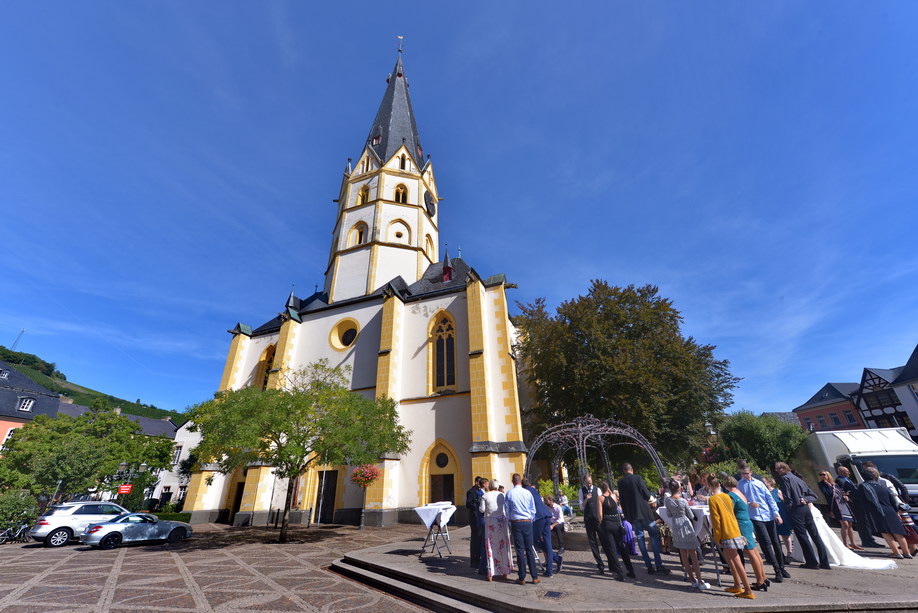
Located in the Ahr River valley in the German state of Rhineland-Palatinate, Ahrweiler is a historic town whose urban fabric reaches back to the Middle Ages. With the Rhine to the east and the Eifel Mountains to the west, this region has been known for centuries for viticulture and winemaking. The vineyards covering the slopes of the Ahr Valley have shaped not only the local economy but also the architectural character and cultural identity of its settlements.
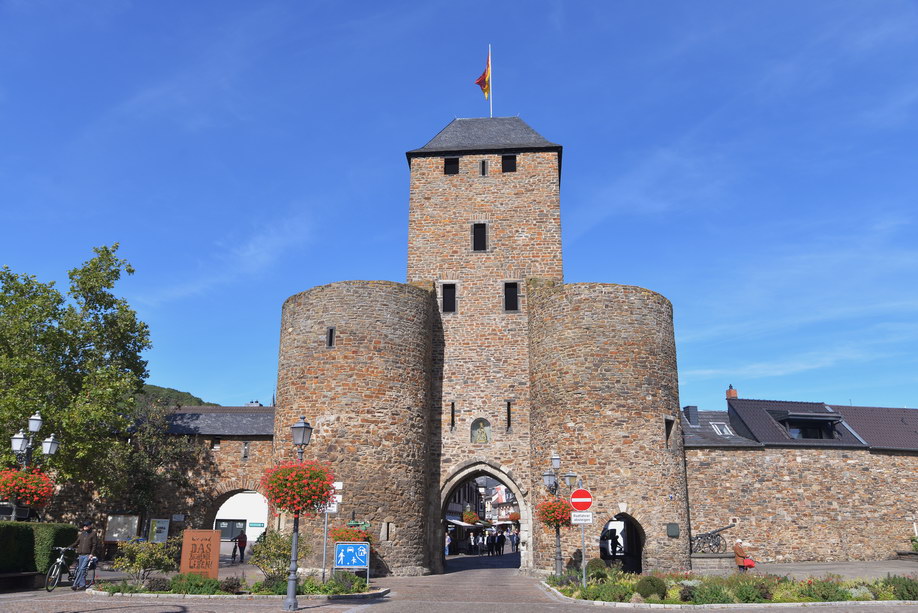
One of Ahrweiler's most distinctive features is the defensive wall surrounding its historic centre. Built largely in the thirteenth century, this system of fortifications, with its gates, towers and former moats, is an important surviving example of a medieval town's defences. Walking through the streets within the walls, it is possible to understand how the town was once enclosed and protected. Passing through one of the historic gates into the old centre feels almost like stepping into another time.
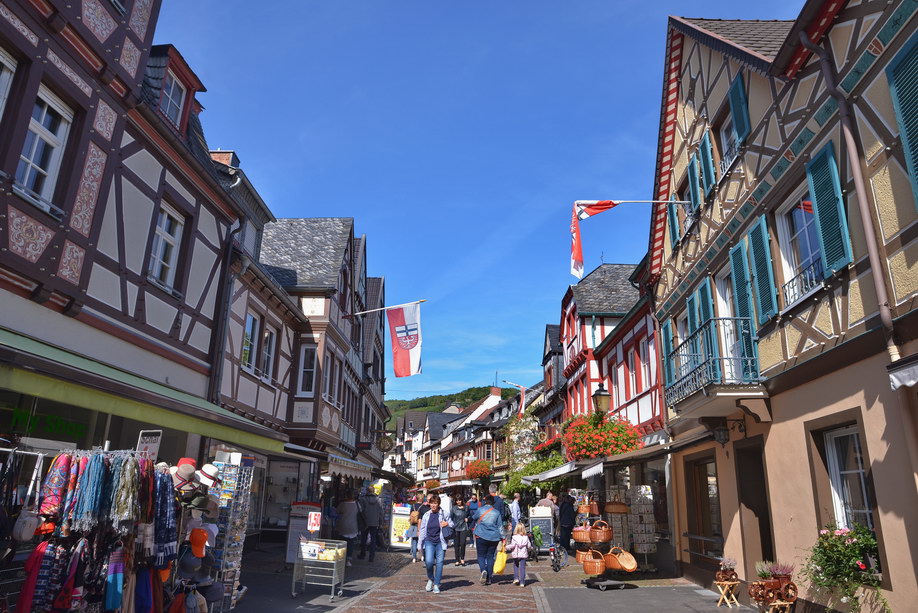
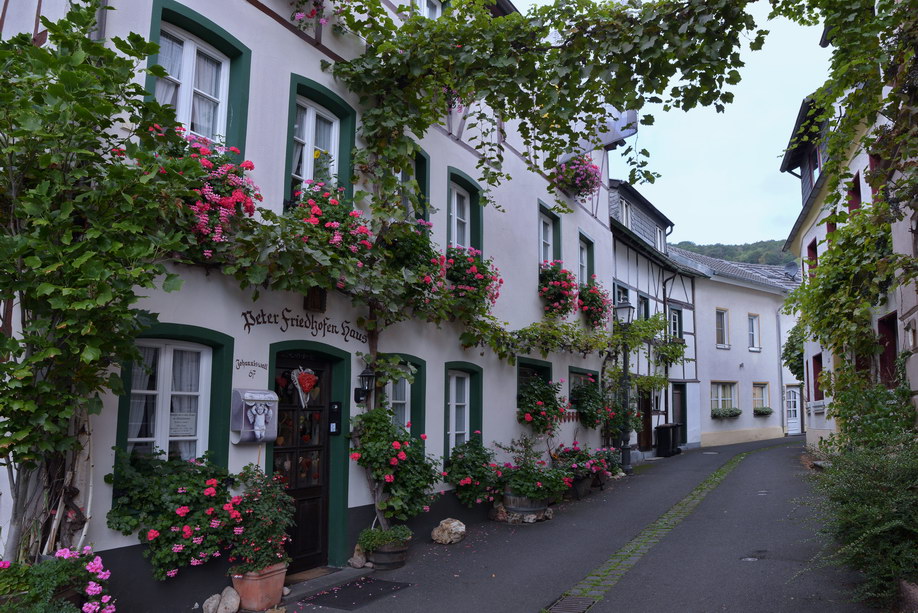
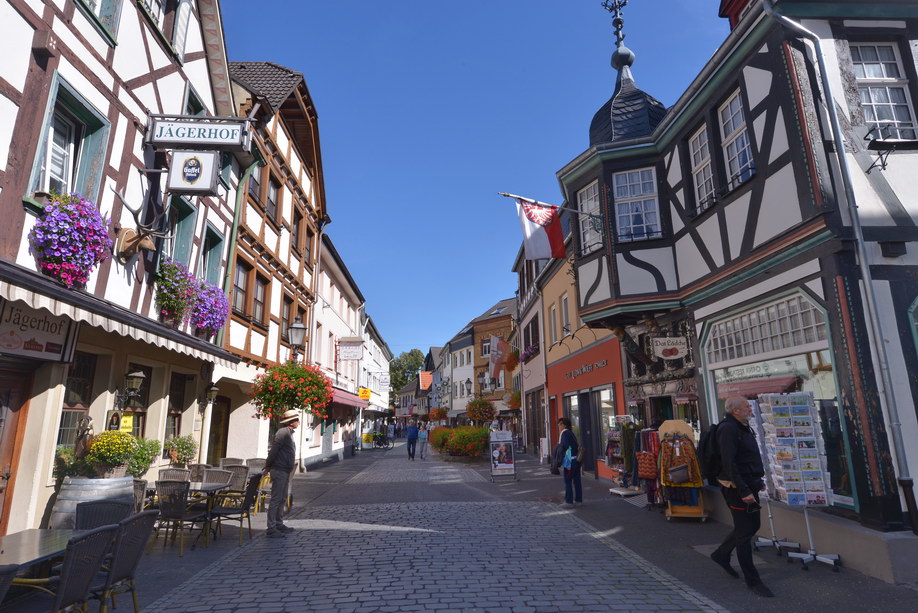
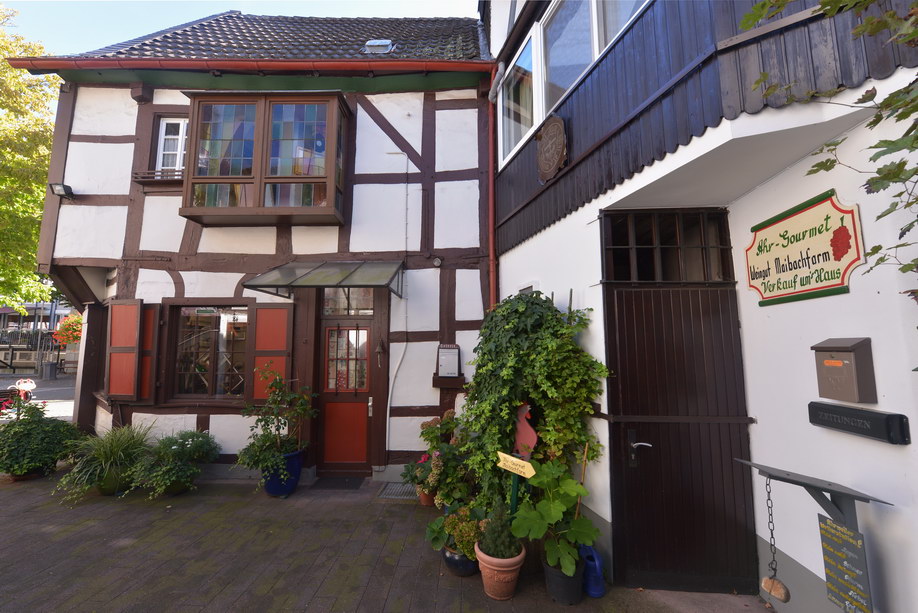
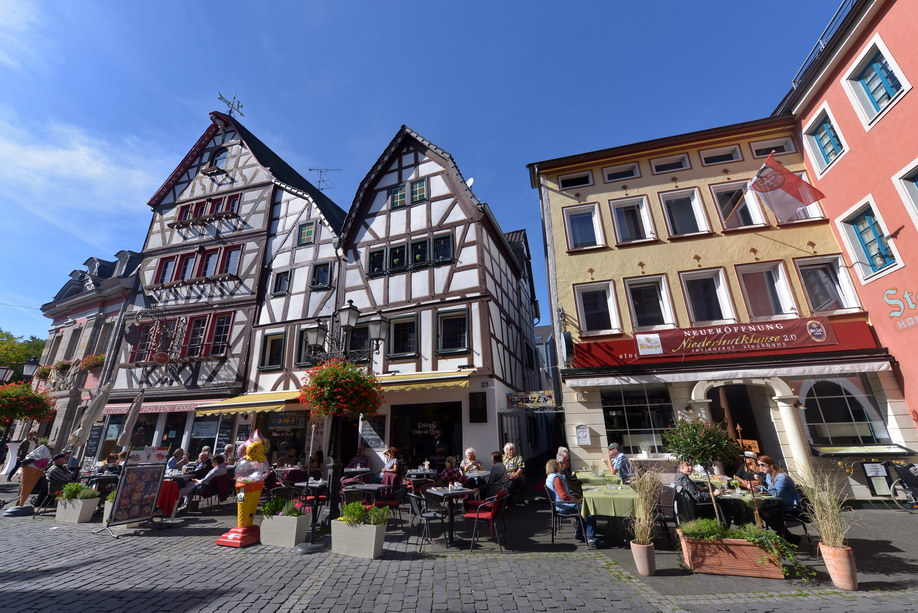
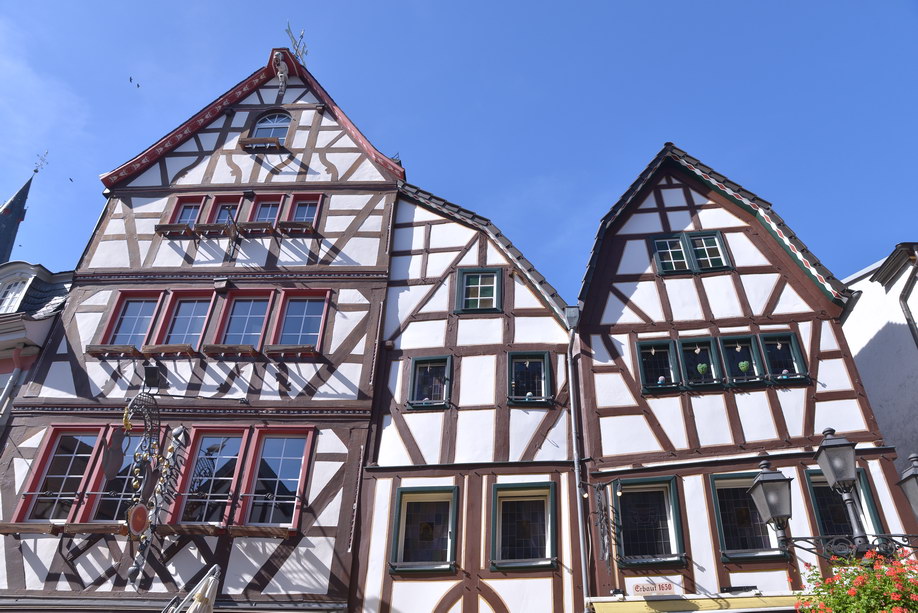
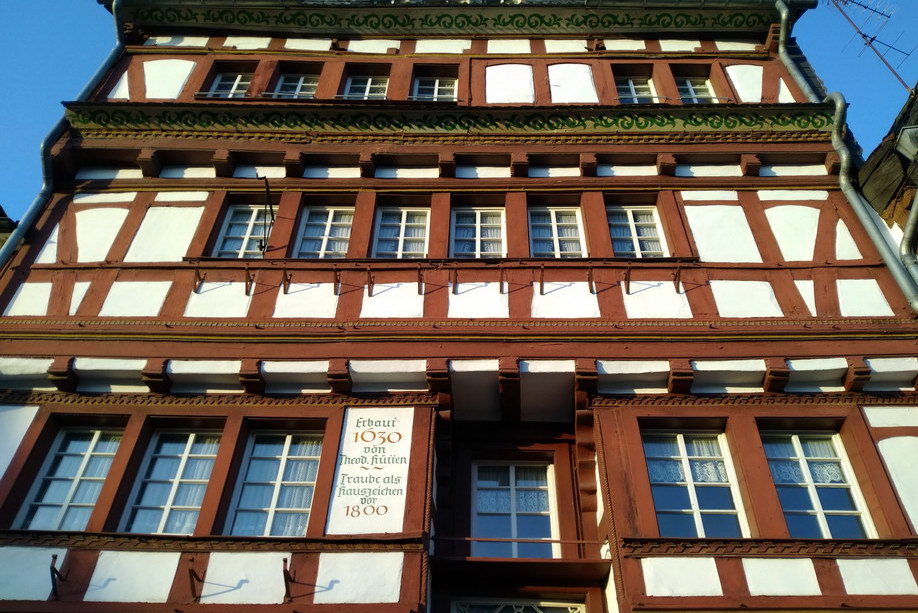
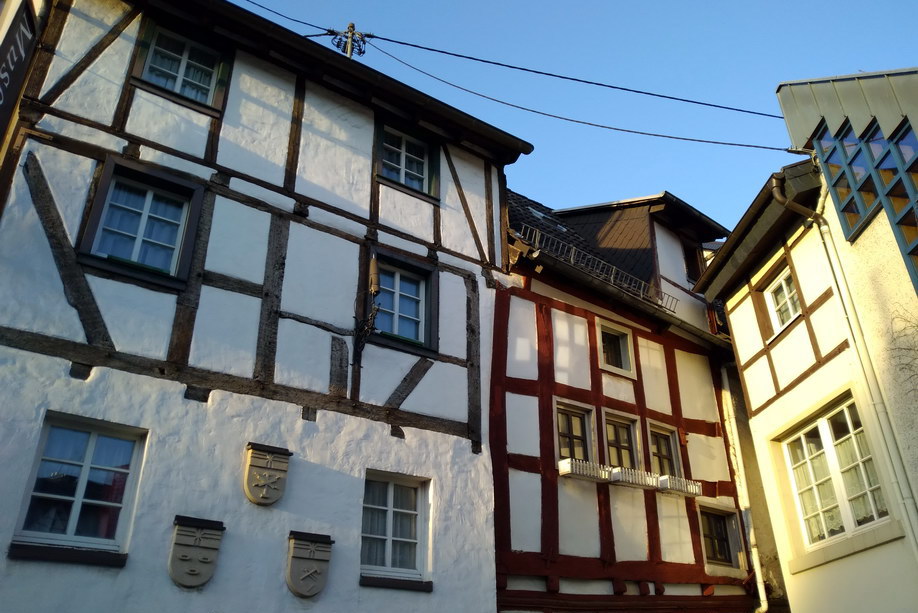
The buildings that give Ahrweiler much of its architectural identity are the timber-framed houses known in Germany as Fachwerkhäuser. Their structural framework consists of wooden posts and beams clearly visible on the façades. The spaces between these elements were traditionally filled with clay, brick or other materials and often plastered. The resulting geometry of dark timber against lighter wall surfaces gives Ahrweiler's streets their characteristic appearance.
Some of these houses are several centuries old. Their façades facing narrow streets, pitched roofs, wooden ornaments and occasional projecting upper floors reflect features of traditional German town architecture. In the past, ground floors could be used for trade and crafts while families lived upstairs. The houses were therefore not only places of domestic life but also part of the town's economic and social activity.
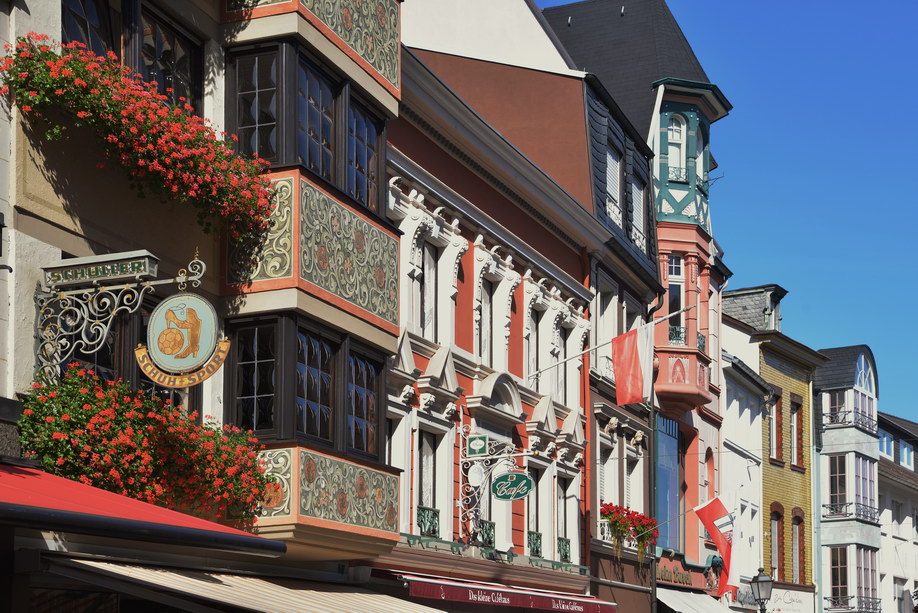
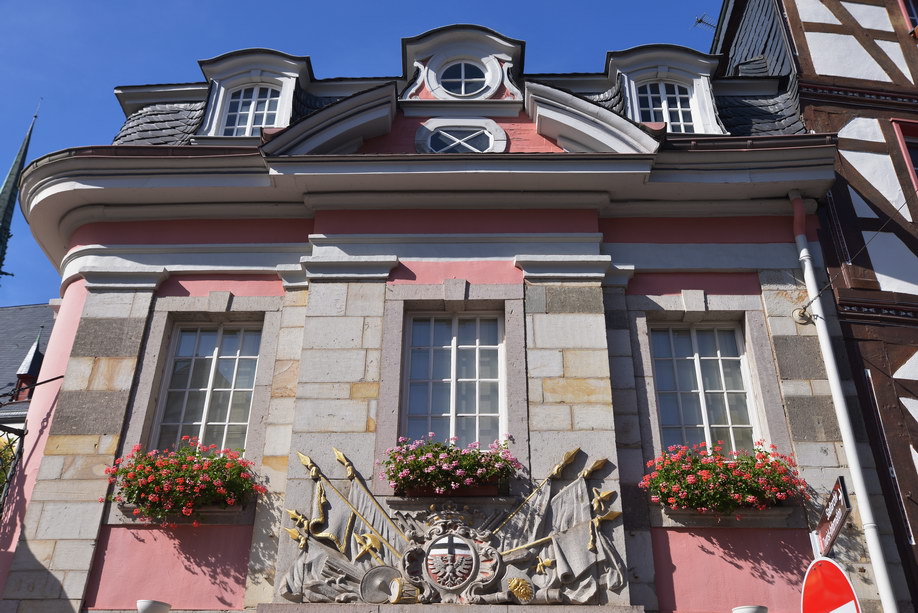
What impressed me as I walked through Ahrweiler was the visual harmony between the buildings. The recurring lines of timber frames, roofs at different heights, small squares and narrow passages created a constantly changing architectural rhythm. Around one corner I might discover the craftsmanship of another timber-framed house; along the next street, a different composition of coloured façades. The appeal of this architecture lay not only in individual buildings but in the coherence of the town as a whole.
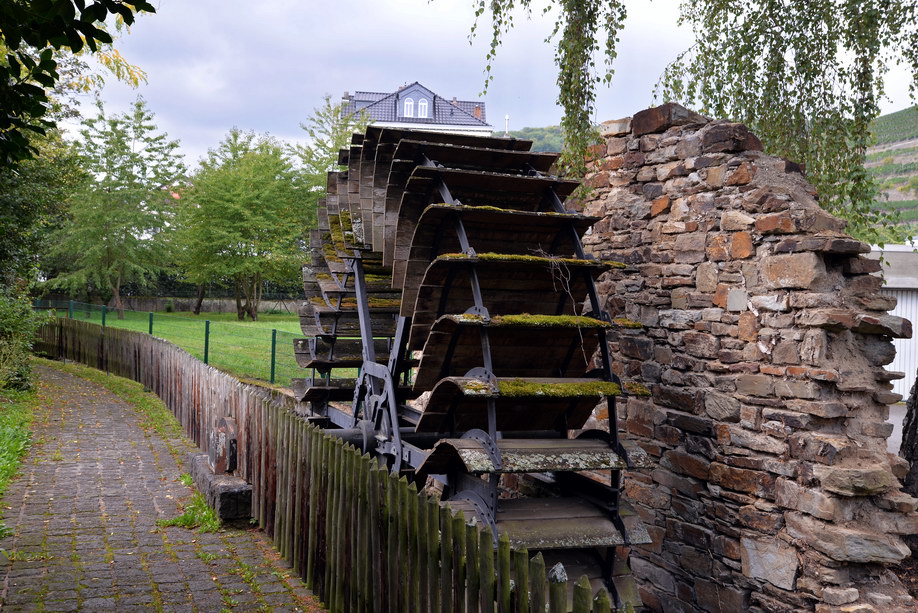
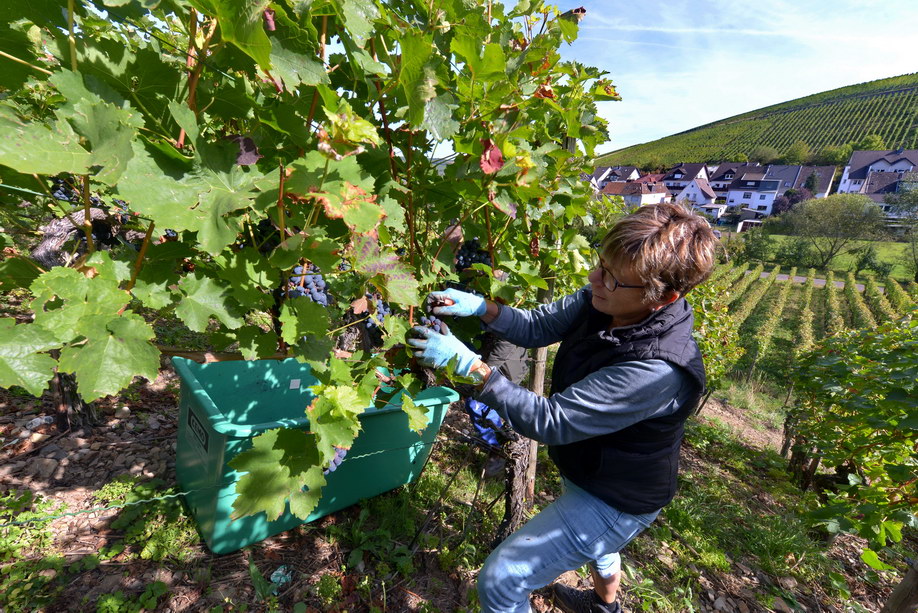
Ahrweiler's historic centre cannot be separated from the wine-growing culture surrounding it. The Ahr Valley is one of Germany's more northerly regions known for red wine production. Its south-facing slopes offer favourable conditions for growing grapes. Viticulture has been a foundation of the local economy for centuries, influencing the use of houses, cellars, courtyards and commercial buildings. Traditional structures in the streets still carry traces of this long history of production.
Bad Neuenahr-Ahrweiler, the municipality to which Ahrweiler belongs, combines two settlements with distinct characters. Bad Neuenahr is particularly associated with spas, parks and health tourism that developed during the nineteenth century, while Ahrweiler is known for its walled medieval centre and traditional houses. Close to one another in the same valley, these two places reflect different periods of architectural and social history.
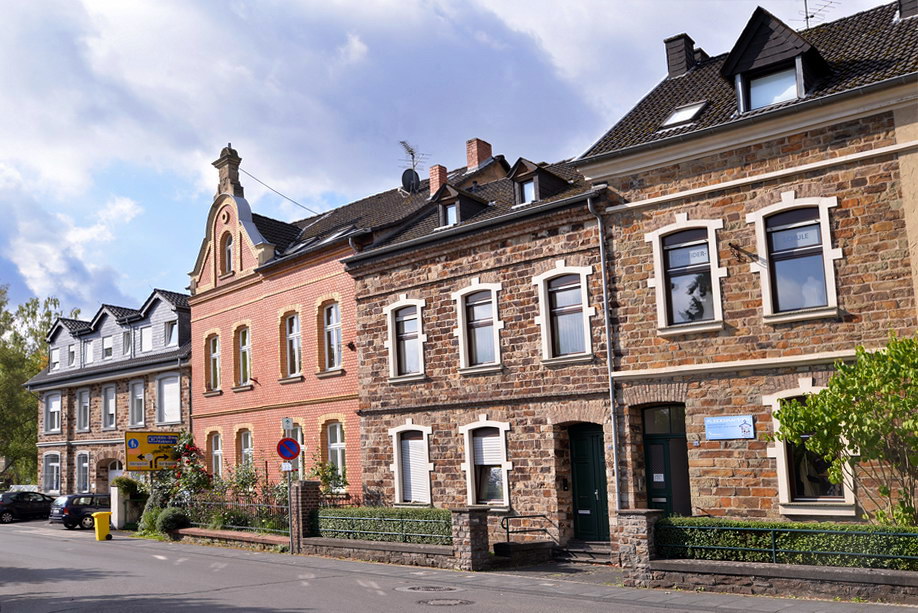
When I photographed Ahrweiler in 2019, I was interested in more than the outward appearance of old houses. The geometric patterns of wooden beams, cobbled streets, historic town gates and narrow perspectives created by buildings standing close together were among my principal subjects. The colours and textures that these materials had acquired over time made the relationship between the town's past and present visible.
Looking at these photographs today, I see Ahrweiler's traditional architecture as more than a collection of preserved historic buildings. The houses document the construction methods, economic activities and urban culture of earlier generations. Timber-framed façades, streets enclosed by defensive walls and the vineyards of the Ahr Valley are interconnected parts of a historical whole.
Yet the town I photographed in 2019 suffered devastating damage during the catastrophic flooding that struck the Ahr Valley in July 2021. Many people lost their lives, and homes and historic buildings were damaged. As with my photographs of Antakya, the images I made in Ahrweiler before the disaster have taken on a different documentary meaning over time. Streets and houses that I originally photographed for their architectural qualities now also preserve a record of the town as it appeared before a major catastrophe.